
SUPERSTUCTURES
ANCHIENT
Baranova Alissa
Skuratova Viktoria
Motorina Ekaterina
Glushkova Anastasia
Dolmatova Maria
Skuratova Viktoria
Motorina Ekaterina
Glushkova Anastasia
Dolmatova Maria
GLOSSARY
Обнаружение – Detection / Discovery
Величественный – Majestic / Grandiose
Исчерпаемые ресурсы – Finite resources
Тщательный анализ – Scrupulous analysis
Реконструкция – Reconstruction
Интерпретация данных – Data interpretation
Изучение останков – Examination of remnants
Сложная система – Sophisticated system
Долговечность – Durability / Longevity
Симбиоз культуры и технологий – Symbiosis of culture and technology
Реликтовый артефакт – Relic artifact
Многообразие техник – Diversity of techniques
Неизведанные территории – Uncharted territories
Противостояние стихиям – Resistance to the elements
Величественный – Majestic / Grandiose
Исчерпаемые ресурсы – Finite resources
Тщательный анализ – Scrupulous analysis
Реконструкция – Reconstruction
Интерпретация данных – Data interpretation
Изучение останков – Examination of remnants
Сложная система – Sophisticated system
Долговечность – Durability / Longevity
Симбиоз культуры и технологий – Symbiosis of culture and technology
Реликтовый артефакт – Relic artifact
Многообразие техник – Diversity of techniques
Неизведанные территории – Uncharted territories
Противостояние стихиям – Resistance to the elements
INTRODUCTION
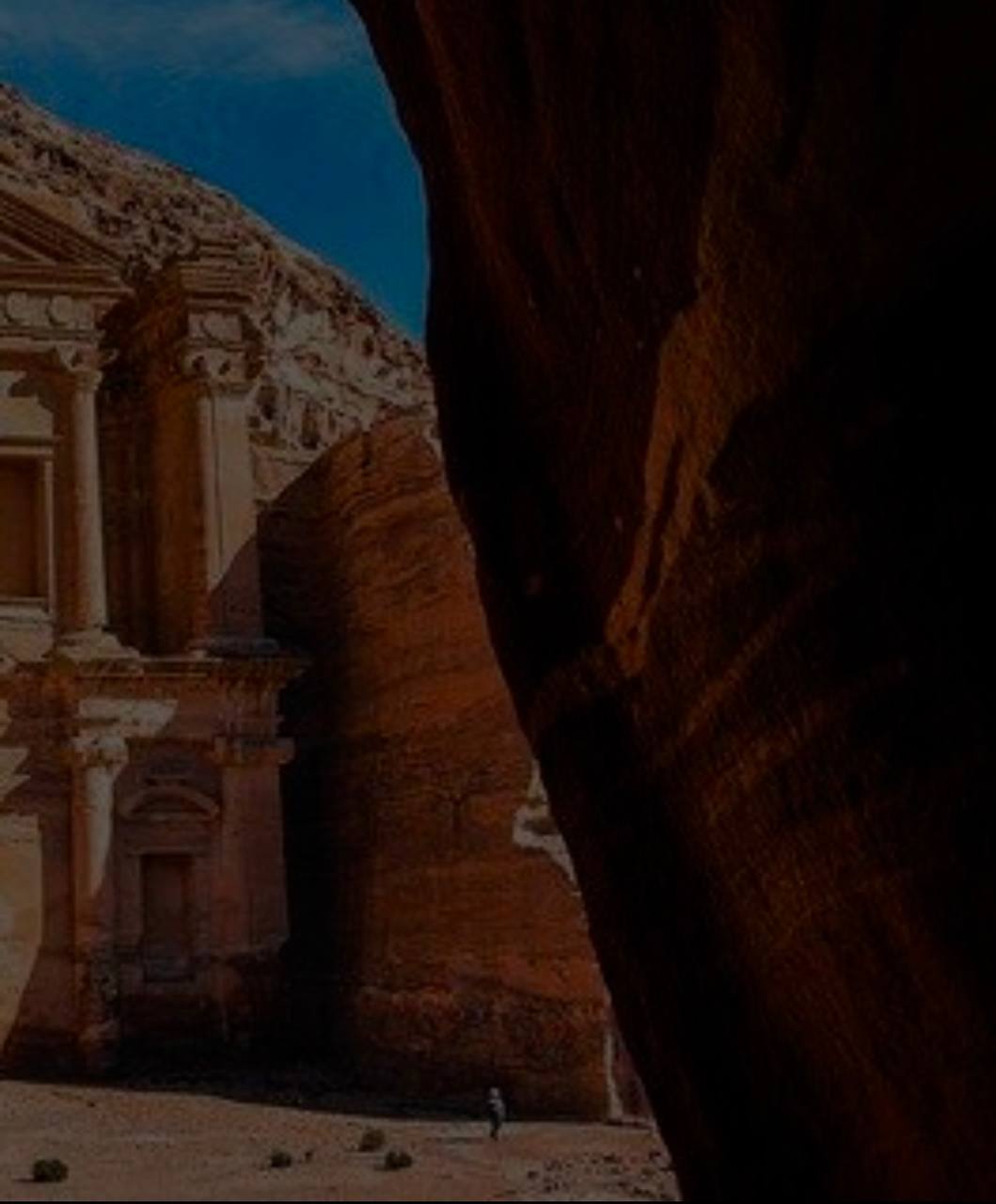
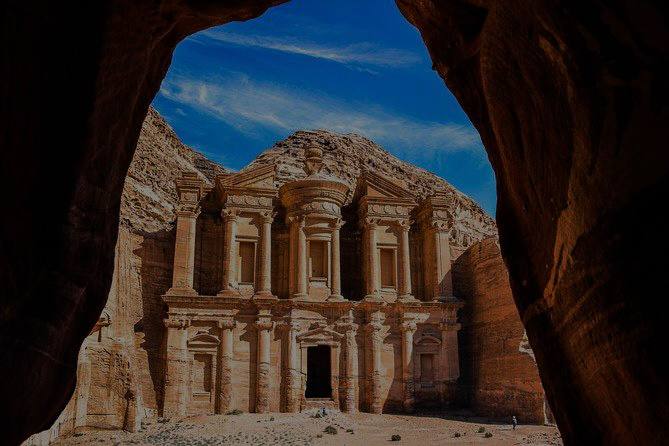
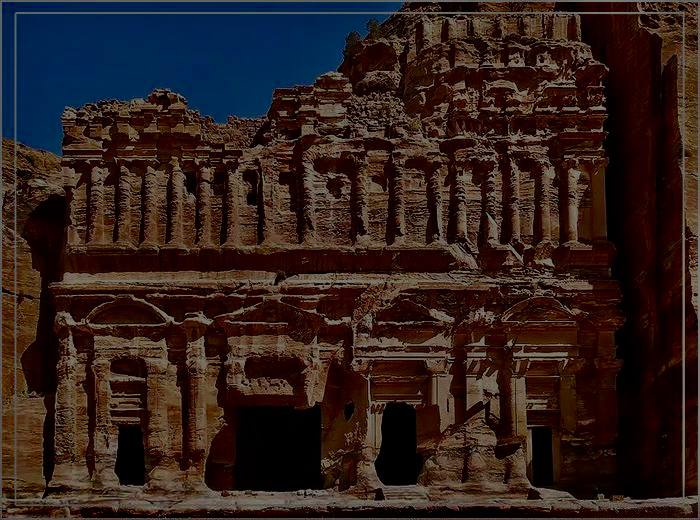
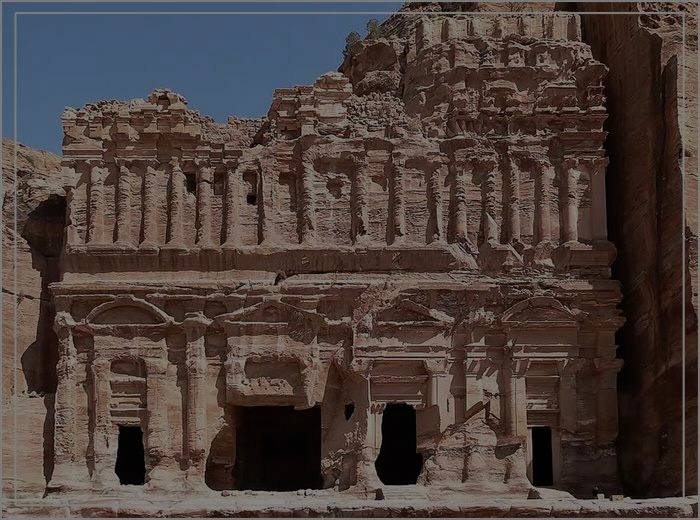
Stone carving is an ancient art that has left remarkable monuments across the world. This presentation explores two notable examples: Petra in Jordan and India’s stepwells. Petra is a rock-carved city, known for its grand architecture and an advanced water management system that allowed the city to thrive in an arid environment. The intricately carved structures of Petra, including temples, tombs, and monuments, showcase the skill and ingenuity of the Nabateans.
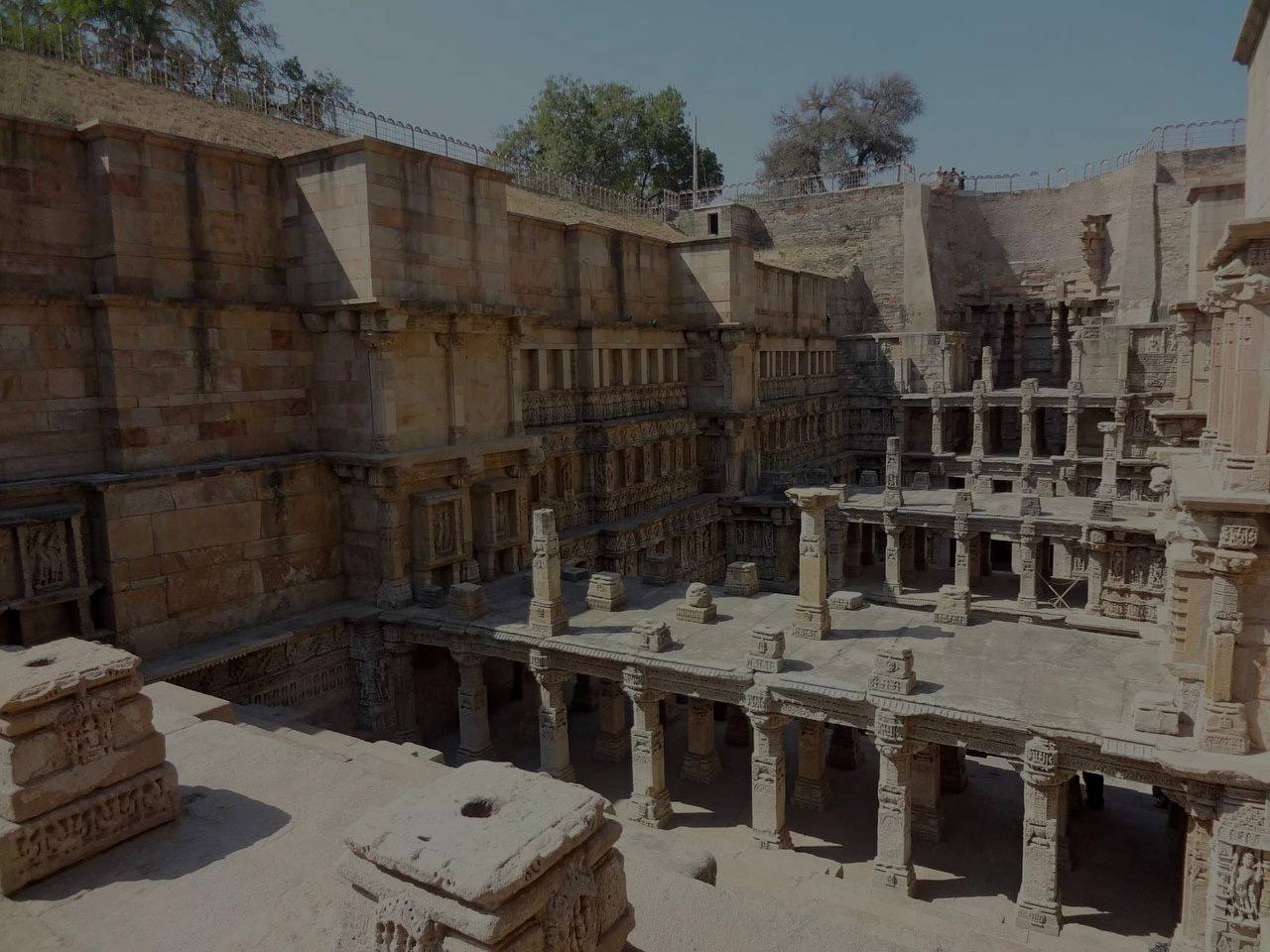
In contrast, India's stepwells (baoris and vavs) are architectural marvels designed primarily for water storage. These multi-story wells are adorned with detailed carvings and serve as both functional and cultural spaces. The stepwells were constructed in arid regions of India to collect and preserve water, and their design reflects the intersection of practicality and artistry. This presentation will delve into the history, architectural features, and preservation efforts of both Petra and the stepwells, highlighting their significance as cultural and engineering achievements.
Stepwells of India & Petra’s Legacy
Stepwells, or baoris, baolis, and vavs, were built in India to store water, adapting to seasonal changes. Lavishly decorated, they served for bathing, rituals, and cooling. Found mostly in northern India, some remain in use while others are hidden. Here are seven stunning stepwells you can explore today.
Rajon Ki Baoli, in Delhi is a quiet, atmospheric stepwell often overlooked by tourists visiting Qutab Minar. Surrounded by ruins, it has inspired ghostly legends. Built in the early 16th century by Daulat Khan, its Islamic architecture features arched tiers, stucco motifs, and niches for lanterns. Tourism and Preservation: Many step-wells have become popular tourist attractions, and efforts are being made to restore and protect these architectural wonders.
Petra flourished as a major trade hub, renowned for incense and myrrh. Its strategic location fueled economic success and cultural exchange, drawing traders from afar. The Nabataeans’ mastery of water enabled lush gardens and fountains, showcasing wealth and engineering skill. This abundance made Petra a thriving civilization. Its opulence and innovation cemented its status as an ancient financial and cultural powerhouse, leaving a lasting legacy of prosperity.
Petra has faced earthquakes, floods, and erosion, with a major quake in 363 AD hastening its decline. Preservation efforts now combat water damage and tourism impact. Advanced technology monitors stability, while UNESCO and local authorities work to restore ancient water systems, ensuring Petra’s protection and longevity for future generations.
Archaeological Techniques and Discoveries at Petra
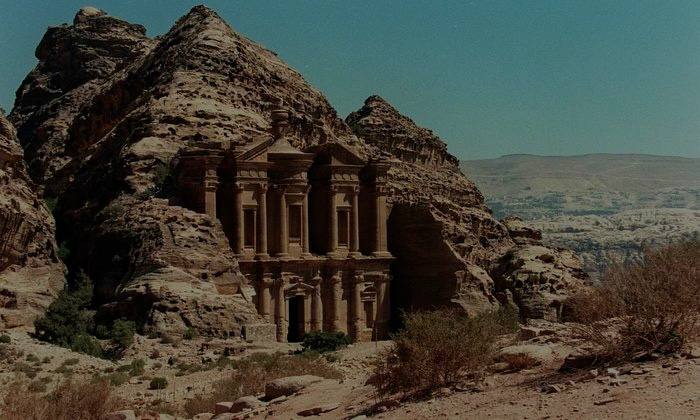
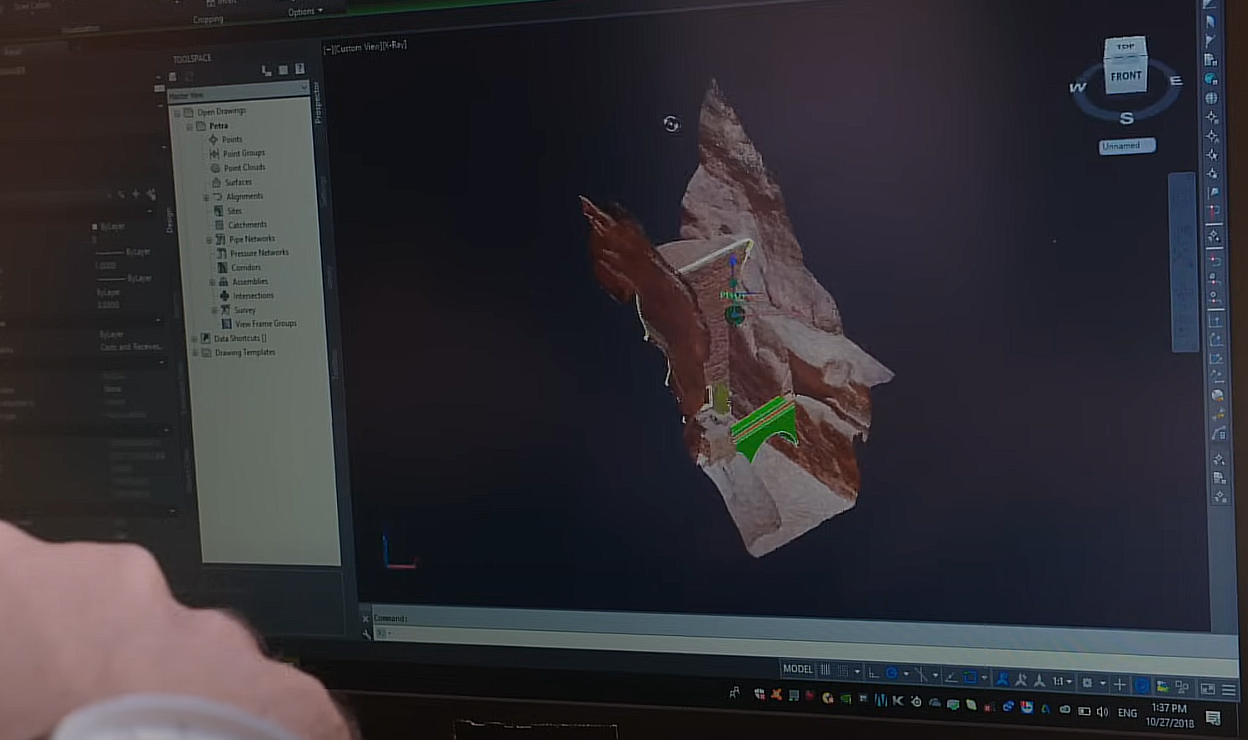
Advanced scientific tools have transformed the exploration of Petra's ancient construction methods.
Digital tools have been used to recreate Petra's opulence during its peak in the 1-st century BCE. It highlights the luxurious structures of the ancient city.
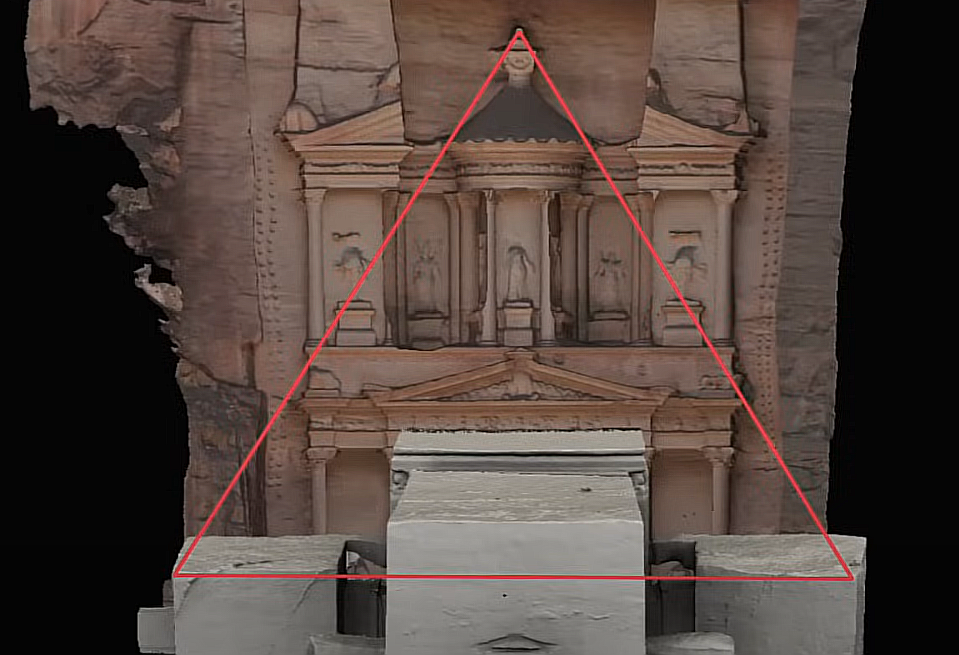
The research helps to understand the construction methods used by the Nabataeans. E.g. the iconic Al-Khazneh facade and its monumental architecture, or the hydraulic engineering essential for survival in the arid environment.
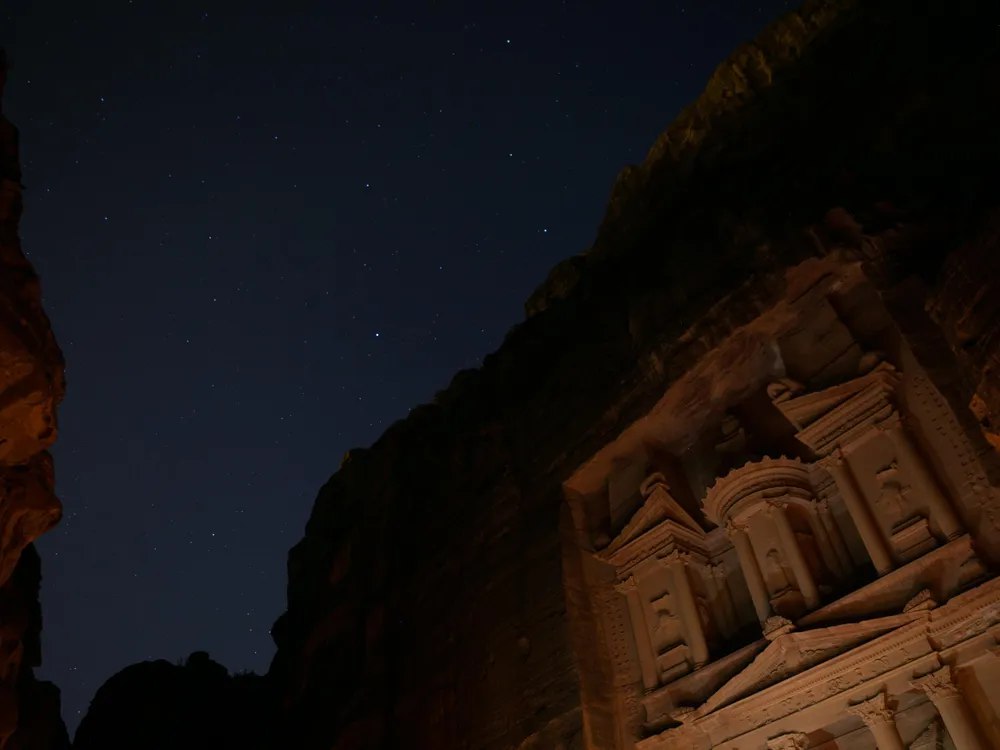
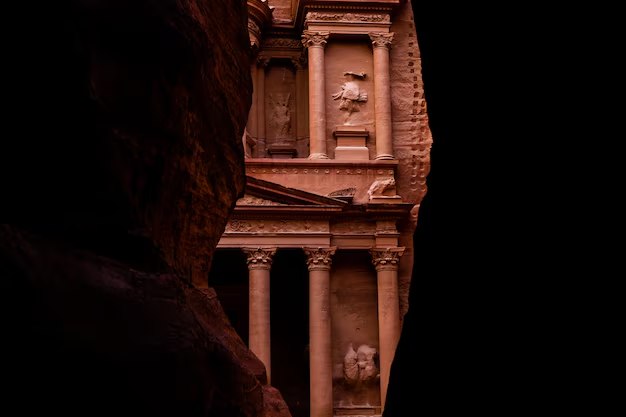
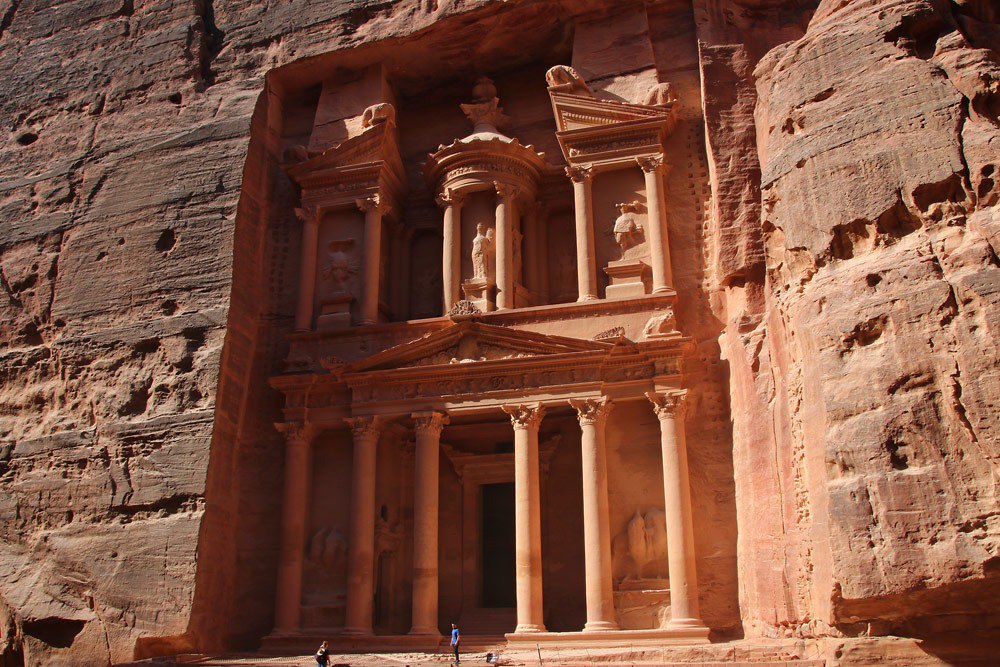
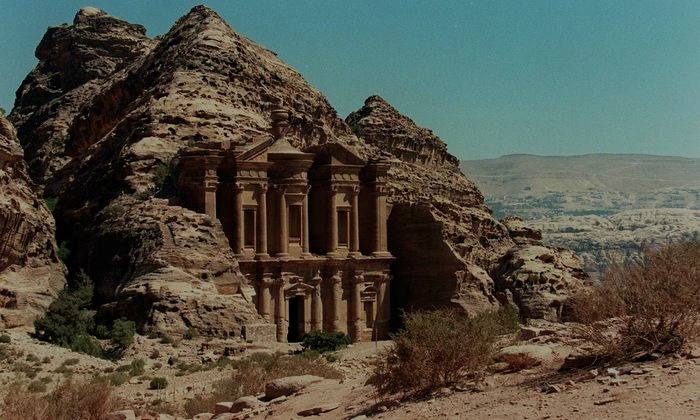
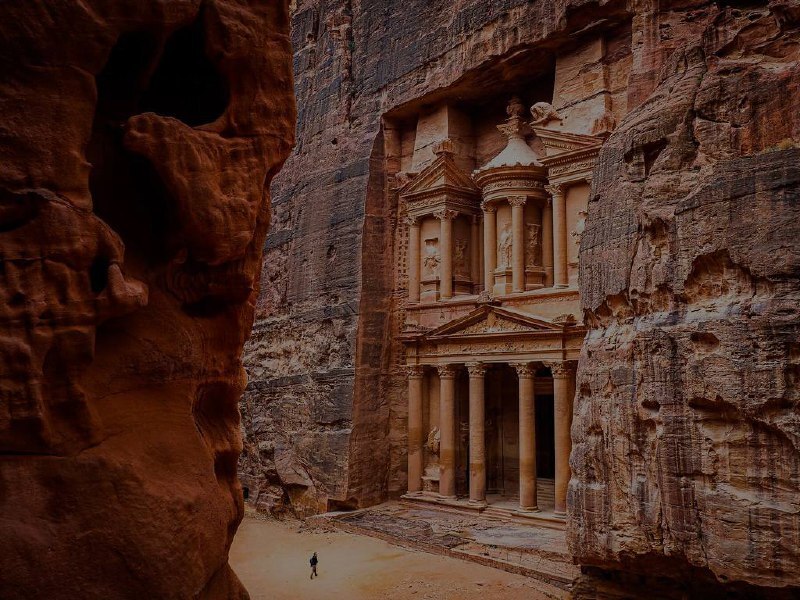
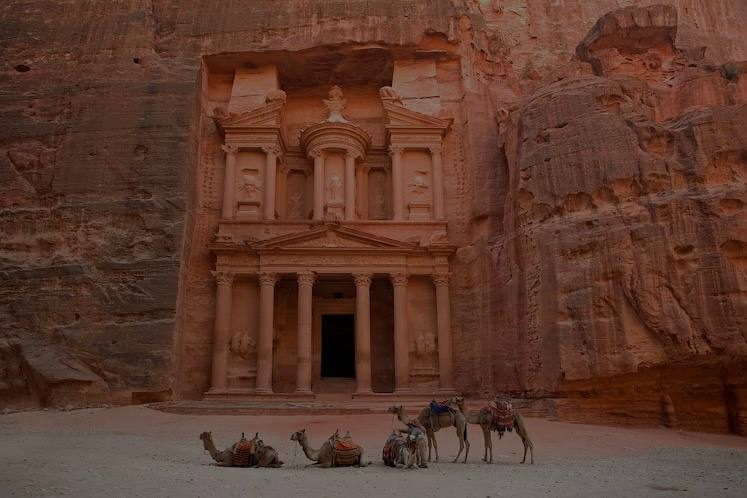
Al-Khazneh, also known as the "Treasury," is a monumental building carved entirely out of rock in the 1st century CE in the ancient city of Petra. Its classical facade measures 40 meters in height and 25 meters in width.
The monument is included in the UNESCO World Heritage List, and archaeological work is ongoing, with detailed research reports available only to a select group of specialists. Today, Al-Khazneh stands as a symbol of Petra, attracting thousands of tourists annually.
According to one theory, the Nabatean king Aretas IV Philopatris constructed it as his own tomb. Another theory suggests it served as a temple dedicated to the goddess Isis. The name "Treasury" is linked to a local legend about hidden treasures in the upper urn of the facade. To this day, Al-Khazneh continues to hold its secrets.
Al-Khazneh: Petra’s Treasury
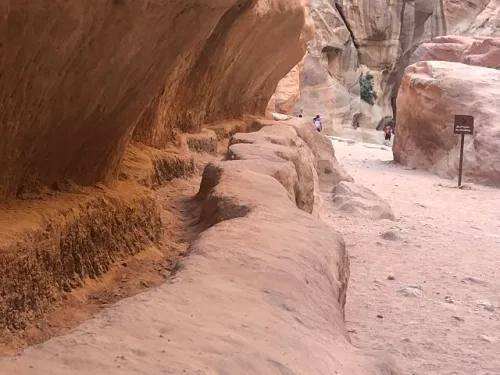
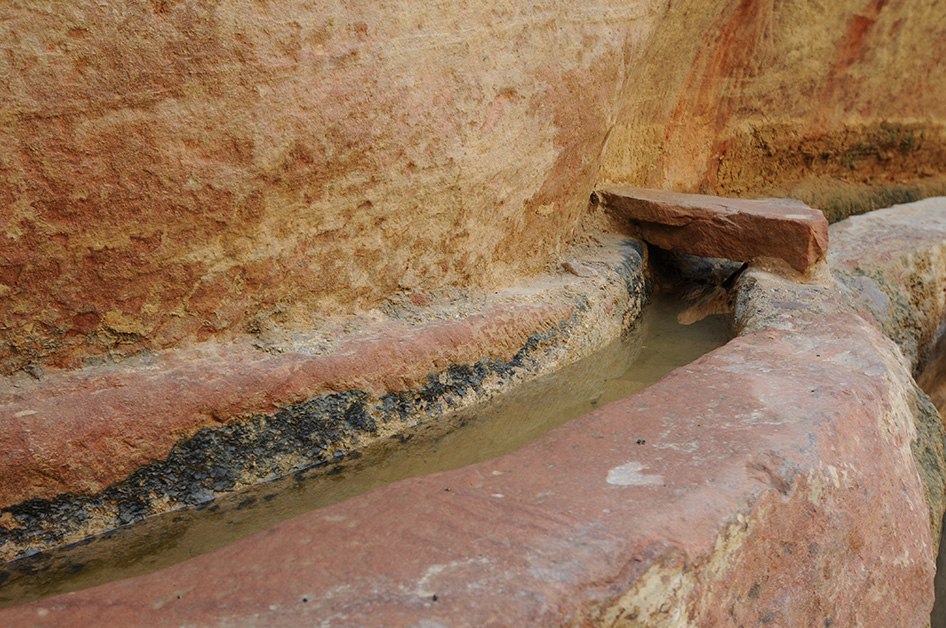
The Nabataeans engineered an advanced hydraulic system to sustain Petra in the desert. Around 200 reservoirs, along with aqueducts and terracotta pipes, ensured a steady water supply for 30,000 residents. This system supported daily use, public amenities, and lush gardens, contributing to the city’s prosperity.
To prevent floods, the Nabataeans built dams and tunnels to redirect rainwater. This innovative approach allowed them to manage the unpredictable desert climate and protect the city from the destructive force of flash floods.
However, natural disasters led to Petra’s decline. In 363 AD, a devastating earthquake damaged the water system, which was a critical part of the city's infrastructure. The damage was compounded by a major flood in 480 AD, which further weakened the city’s ability to function.
Today, UNESCO and local authorities work to preserve these ancient water structures. Efforts are focused on maintaining and restoring the sophisticated hydraulic system to ensure the protection of Petra’s cultural and engineering legacy for future generations.
Water Management in Petra
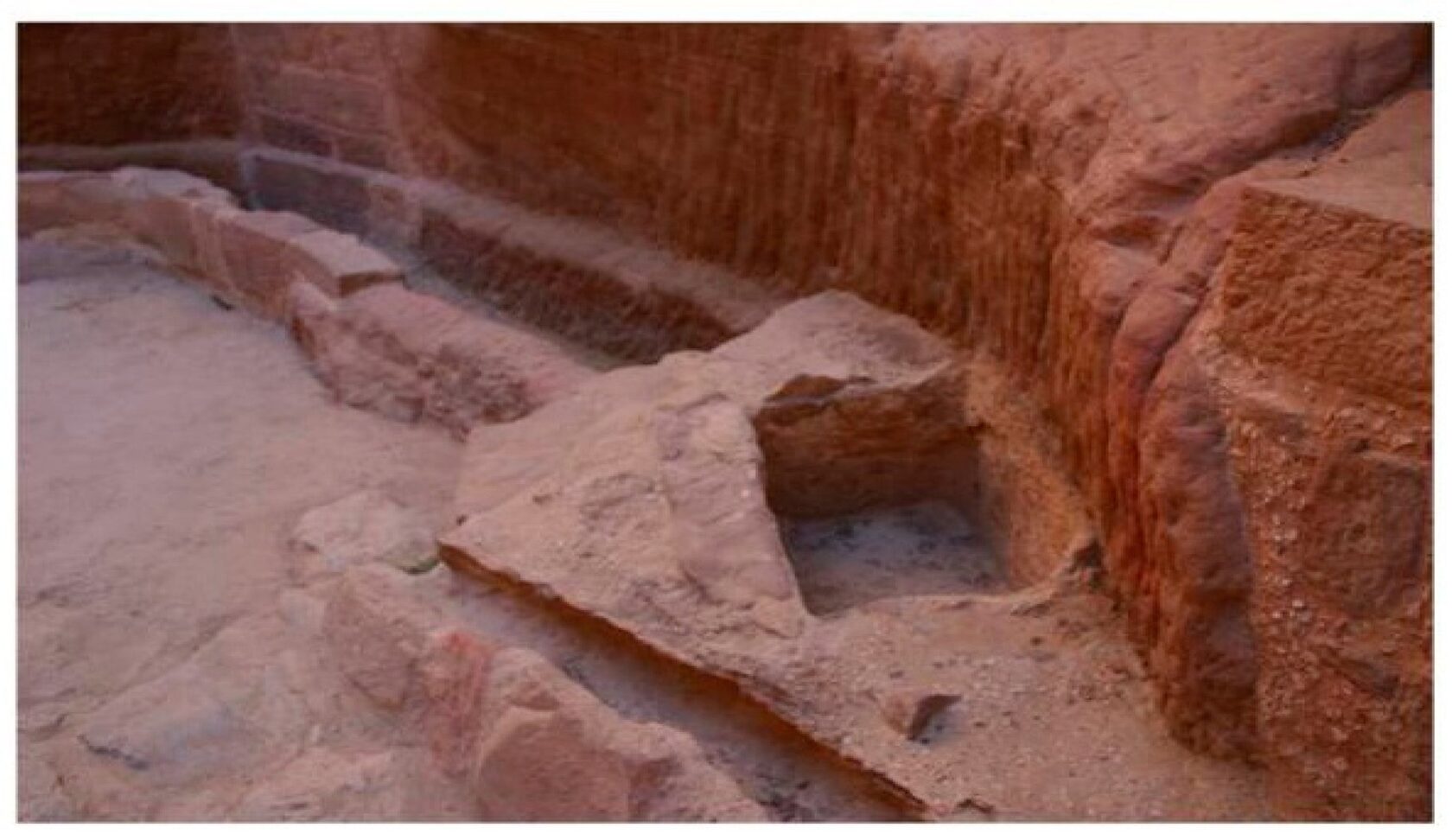
Rani Ki Vav: The Majestic Stepwell of Patan
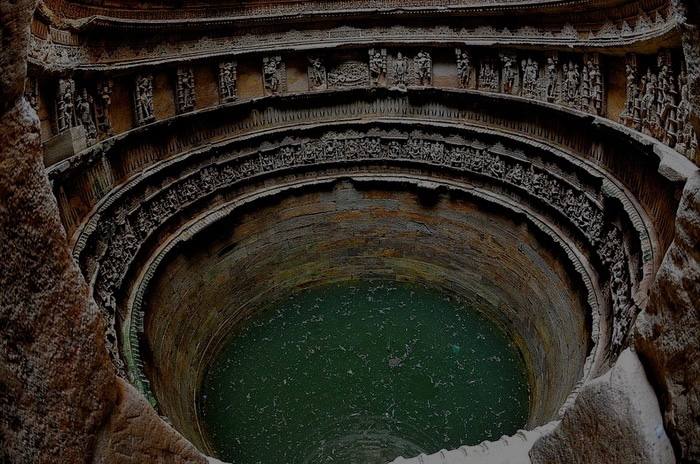
Rani Ki Vav is one of the most famous stepwells in India. It was built in the 11th century in the city of Patan (Gujarat state) on the banks of the Saraswati River by order of Queen Udayamati in memory of her late husband.
01
The structure has the shape of an inverted cone, and its staircase is divided into seven levels, each decorated with intricate sculptures. These carvings depict deities, mythological figures, and scenes from Hindu epics, adding to the beauty and cultural significance of the stepwell.
02
Under the last step leading down to the water, there is a tunnel. This secret passage was built to help the king escape in case of war, but it is now blocked by stones. On June 22, 2014, Rani Ki Vav was added to the UNESCO World Heritage List, recognizing its historical and architectural importance.
03
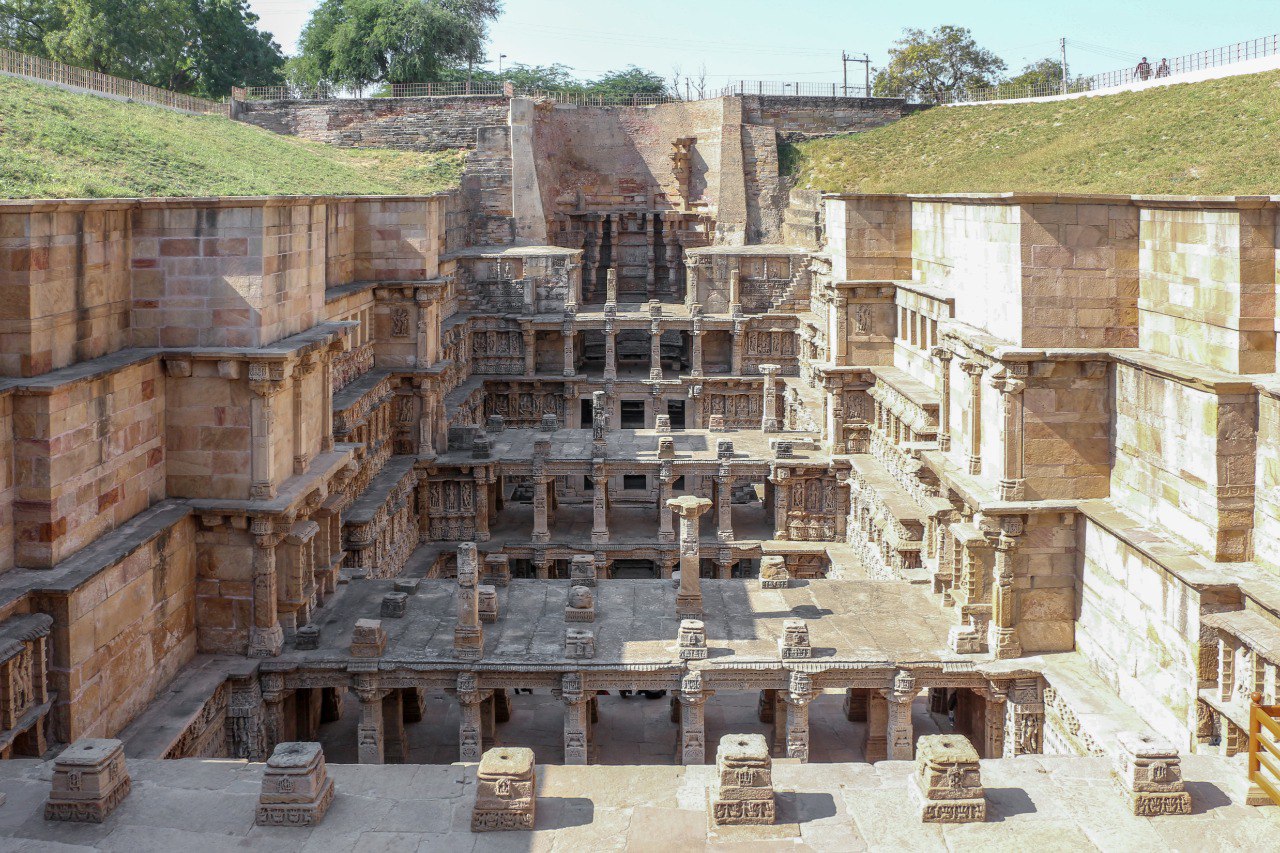
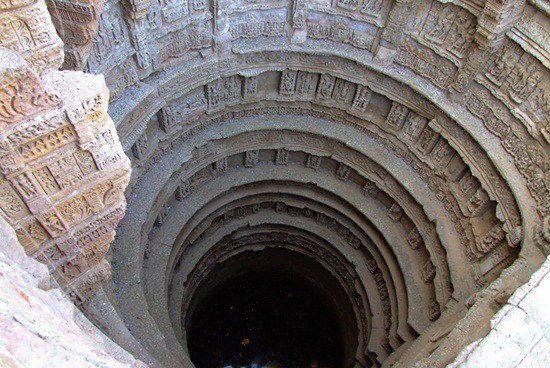
Chand Baori, Abhaneri, Rajasthan
History: - The lower tiers were constructed in the 9th century by Hindu king Raja Chanda. - Upper levels embellished by Mughals with pavilions and arcades in the 18th century, making the monument look more Islamic than Hindu.
Accommodation: - Hotel Pearl Palace in Jaipur. - Rambagh Palace, a former residence of Maharaja Man Singh II, managed by Taj Hotels
Access: - Located 95 km from Jaipur. - Accessible by bus, shared-taxi, or minibus.
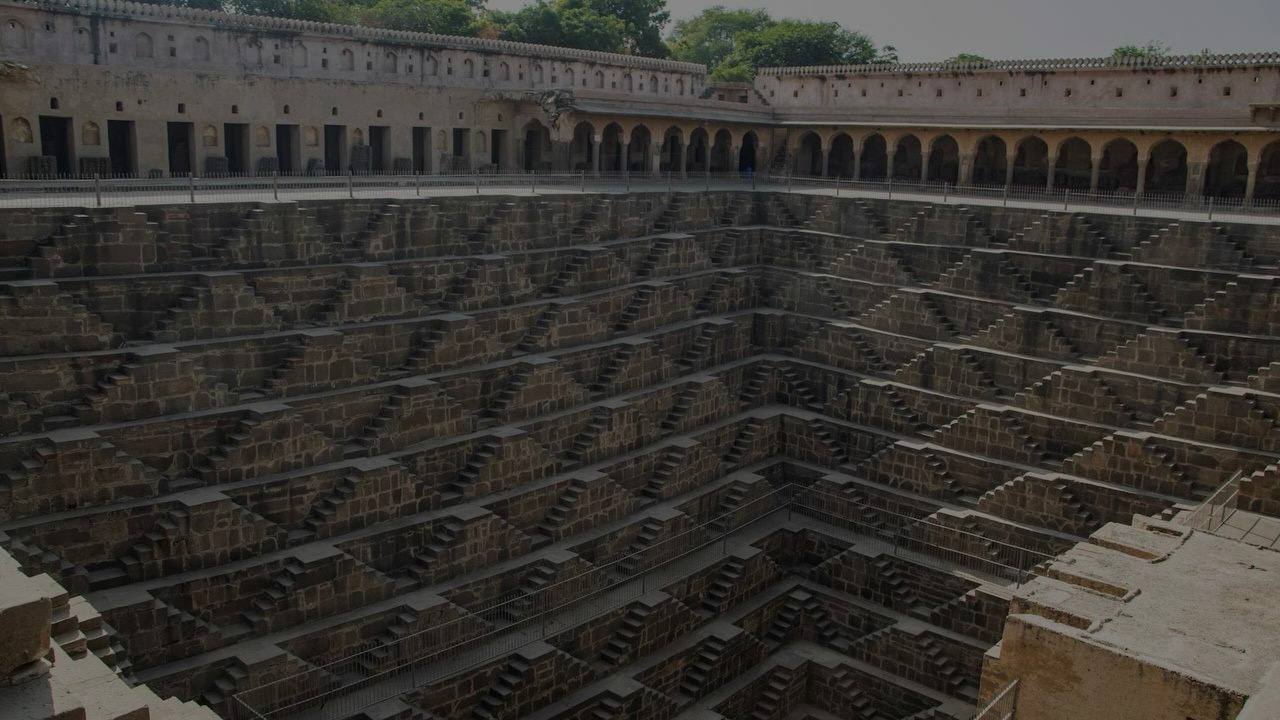
Location: Abhaneri, Rajasthan, India. Description: - Striking step-walls with about 3,500 steps. - Features an intricate criss-cross pattern resembling a cut diamond. - 13 stories deep and 35 meters wide.
Conclusion
Petra and India’s stepwells are remarkable architectural monuments that showcase ancient engineering and cultural heritage. Despite the passage of time, they continue to inspire and attract visitors. Preserving these sites is essential for future generations to study and appreciate their historical significance.
The Nabataeans supplied water to Petra using a sophisticated and advanced hydraulic system that included a combination of reservoirs, aqueducts, dams, and cisterns. They constructed around 200 reservoirs to collect and store water from rainfall, which was a crucial resource in the arid desert environment. Aqueducts and terracotta pipes were used to transport water to various parts of the city, ensuring a steady supply for daily use, public amenities, and the famous lush gardens of Petra.
Additionally, the Nabataeans built dams and channels to control and redirect rainwater, preventing flooding and ensuring that the water supply remained stable. This well-engineered system allowed Petra to thrive as a thriving trade hub despite the harsh desert conditions.
Additionally, the Nabataeans built dams and channels to control and redirect rainwater, preventing flooding and ensuring that the water supply remained stable. This well-engineered system allowed Petra to thrive as a thriving trade hub despite the harsh desert conditions.
The decline of Petra was primarily caused by a combination of natural disasters and changing trade routes. In 363 AD, a major earthquake severely damaged the city's infrastructure, including its water system. This earthquake, along with subsequent aftershocks, weakened Petra's ability to function effectively.
In 480 AD, a major flood further exacerbated the situation, damaging key parts of the city and its water management system. Additionally, over time, the shift in trade routes led to Petra’s decline as a commercial hub, as new routes bypassed the city, reducing its economic importance.
These factors, combined with the ongoing challenges of maintaining the city in a harsh desert environment, contributed to Petra's eventual abandonment and decline
In 480 AD, a major flood further exacerbated the situation, damaging key parts of the city and its water management system. Additionally, over time, the shift in trade routes led to Petra’s decline as a commercial hub, as new routes bypassed the city, reducing its economic importance.
These factors, combined with the ongoing challenges of maintaining the city in a harsh desert environment, contributed to Petra's eventual abandonment and decline
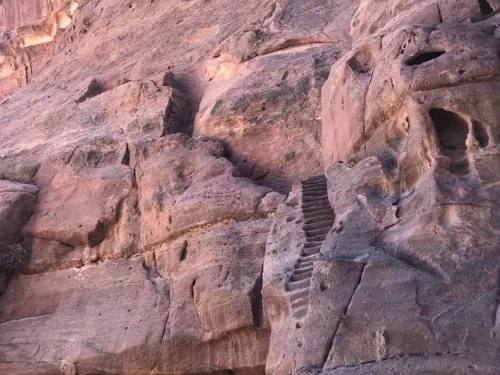
The Nabataeans built their buildings in a way that responded to the harsh desert environment, making use of natural elements like the landscape and sunlight. Most of their structures, including tombs and temples, were carved into the cliffs and rock faces of the surrounding mountains, which provided natural protection from wind and sun.
In terms of orientation, many Nabataean buildings were aligned to take advantage of the natural landscape and to face certain directions for practical and symbolic reasons. For example, some tombs were oriented towards the east, facing the sunrise, which could have had religious or ceremonial significance. Additionally, the layout of Petra's water management system, including reservoirs and aqueducts, was designed to take advantage of the natural flow of water from the mountains, showing a deep understanding of the region’s geography and climate.
In general, the Nabataeans used the landscape to their advantage in terms of shelter, defense, and water management, while also aligning their structures with important natural and symbolic elements.
In terms of orientation, many Nabataean buildings were aligned to take advantage of the natural landscape and to face certain directions for practical and symbolic reasons. For example, some tombs were oriented towards the east, facing the sunrise, which could have had religious or ceremonial significance. Additionally, the layout of Petra's water management system, including reservoirs and aqueducts, was designed to take advantage of the natural flow of water from the mountains, showing a deep understanding of the region’s geography and climate.
In general, the Nabataeans used the landscape to their advantage in terms of shelter, defense, and water management, while also aligning their structures with important natural and symbolic elements.